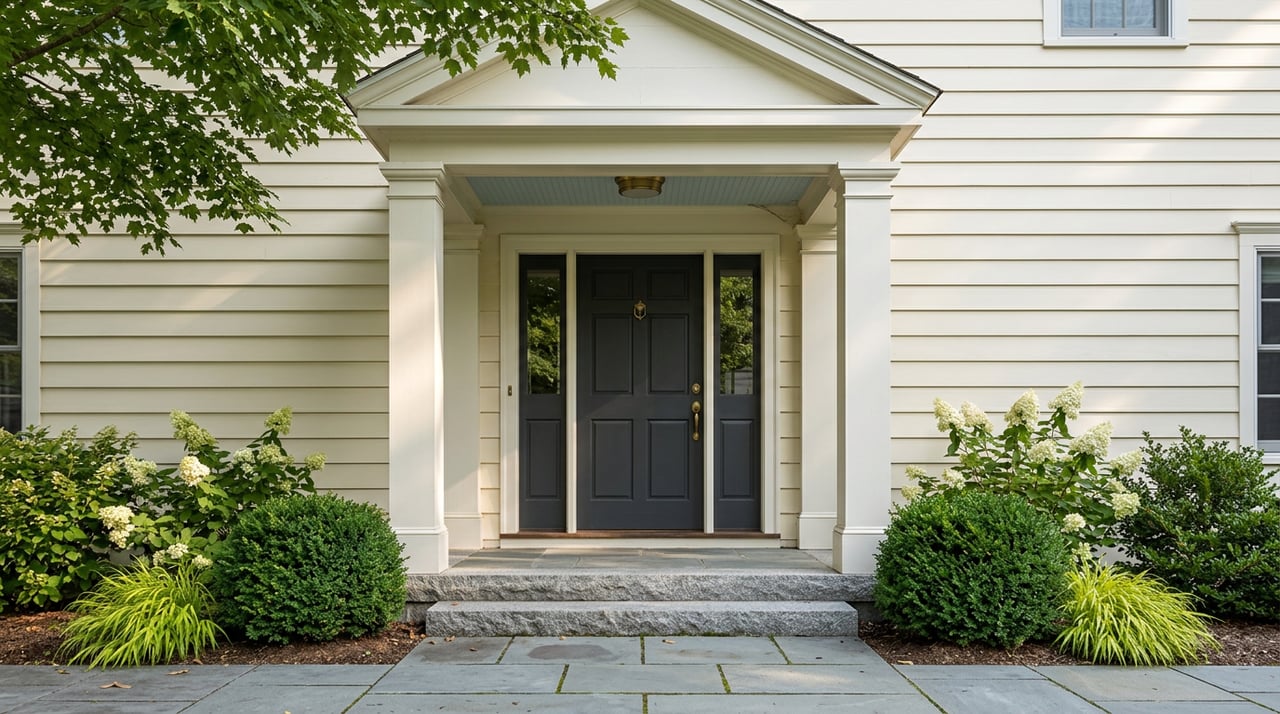
What if your monthly mortgage is only half the story? When you buy in Reading, the real number you live with is the full cost to own, from taxes and insurance to utilities, maintenance, and commuting. You want a home that fits both your life and your budget, with no surprises after closing.
This guide breaks down every cost that matters in Reading and the nearby northern Boston suburbs. You will learn how to build a simple, accurate monthly model with local sources, plus see clear examples and sensitivity checks. Let’s dive in.
What “true cost to own” includes
Owning a home involves more than principal and interest. A complete budget captures:
- One-time and upfront costs: down payment, inspection, appraisal, lender fees, title work, attorney, recording, and prepaid escrow items.
- Recurring housing costs: mortgage principal and interest, property taxes, homeowners insurance, and PMI if your down payment is under 20 percent.
- Association dues: HOA or condo fees if applicable.
- Utilities and services: electricity, gas or oil, water, sewer, trash, and internet/TV. Billing for water and sewer is handled by the Town of Reading.
- Maintenance and replacements: routine upkeep, plus big-ticket items like roof, HVAC, and water heater.
- Transportation and commuting: MBTA fares and parking or driving costs, plus Boston or Cambridge parking if applicable.
- Hazard-specific coverage: flood insurance if in a FEMA flood zone, and optional endorsements like sewer backup.
Reading factors that change your budget
Property taxes and assessments
Reading’s annual property tax is calculated by multiplying the town tax rate by a property’s assessed value. To estimate your tax bill, check the current rate and the parcel’s assessment with the Town of Reading Assessor. Annual tax divided by 12 gives your monthly estimate. Many lenders collect taxes through escrow and may require an initial cushion at closing.
For state rules and context on assessments and exemptions, see the Massachusetts Department of Revenue’s Division of Local Services at the Commonwealth’s DLS site.
Utilities and heating fuel
Electricity and natural gas delivery in Reading is typically provided by Eversource. Some older homes may heat with oil. Expect seasonal spikes during New England winters. Water and sewer are billed by the town, so review Reading’s municipal pages for current rate schedules.
Practical budgeting ranges for many suburban Massachusetts homes:
- Electricity: roughly $80 to $250 per month depending on usage and season.
- Gas or heating fuel: annual totals often range from $800 to $2,500 for gas. Oil can be higher and more volatile.
- Water and sewer: many households plan $40 to $200 per month equivalent.
- Trash and recycling: if private service, budget $15 to $60 per month.
- Internet and TV: about $50 to $200 per month depending on package.
Commuting and transit
Reading has MBTA commuter-rail service to Boston. Check current fares, schedules, and station parking rules on the MBTA site. If you drive, your costs include fuel, insurance, maintenance, tolls, and parking. A simple method is to multiply your monthly commute miles by AAA’s cost-per-mile figure and add any parking or tolls.
As an illustrative range, a 25-mile round trip driven most workdays can run roughly $300 to $700 per month in operating costs before parking.
Housing age and maintenance
Reading’s housing stock includes many mid-19th to 20th century homes alongside newer subdivisions. Older homes can carry higher near-term maintenance: electrical upgrades, plumbing updates, roof wear, chimney repointing, and heating system servicing. New England winters add freeze-thaw stress on roofs, gutters, and driveways. Budgeting a robust maintenance reserve is smart.
Flood risk and insurance
Some lots near wetlands or small rivers can fall within FEMA flood zones. Lenders may require flood insurance if a property is in a mapped floodplain. Check parcel status at the FEMA Flood Map Service Center and get a quote before you finalize your budget.
Municipal services and long-term dynamics
Town services such as public safety, snow clearing, and municipal operations can influence neighborhood desirability and long-term tax and price trends. Property tax rates and assessments are set at the town level, so review local budgets and updates through the Town of Reading.
Build your Reading monthly budget
Use this fill-in-the-blanks template with current numbers from your lender, the Town of Reading, your insurance agent, and utility providers.
- Purchase price: $_____
- Down payment: $_____ (____%)
- Loan amount: $_____ (purchase price minus down payment)
- Interest rate and term: ____% for ____ years
- Property tax rate: % and assessed value: $_
- Homeowners insurance estimate: $_____ per year
- PMI (if down payment under 20%): ____% of original loan balance per year
- HOA/condo fee (if any): $_____ per month
- Utilities and services: electricity $, gas/oil $, water/sewer $, trash $, internet/TV $_____
- Maintenance reserve: ____% of purchase price per year
- Commuting: MBTA fare and parking $_____ or driving cost $_____ per month
Key formulas you will use
- Mortgage principal and interest (monthly): use your lender’s estimate or a calculator. Payment depends on loan amount, interest rate, and term.
- Property tax (monthly): tax rate × assessed value ÷ 12.
- Homeowners insurance (monthly): annual premium ÷ 12.
- PMI (monthly if applicable): PMI rate × original loan balance ÷ 12.
- Maintenance reserve (monthly): purchase price × annual maintenance percent ÷ 12.
- Total monthly true cost: mortgage P&I + property tax + homeowners insurance + PMI + HOA/condo fees + utilities + maintenance + commuting.
Tip: For maintenance, many owners use 1 percent of purchase price annually for newer homes. For older homes, plan 1.5 to 3 percent.
Illustrative Reading scenarios
These examples are hypothetical to show how the math works. Substitute current rates, tax figures, and quotes from the sources listed above. For mortgage estimates, the examples assume a 30-year fixed at about 6.5 percent. At that rate, a quick rule of thumb is about $6.32 per month for every $1,000 borrowed.
Scenario A: $700,000 single-family, 20% down
- Loan amount: $560,000
- Approx. mortgage P&I: about $3,540 per month
- Property tax example at 1.2%: about $700 per month
- Homeowners insurance example: about $100 per month
- Maintenance reserve at 1%: about $583 per month
- Utilities and internet estimate: about $350 per month
- Commuting estimate: example $400 per month
- Illustrative total monthly “true cost”: about $5,673
Scenario B: $900,000 home, 20% down
- Loan amount: $720,000
- Approx. mortgage P&I: about $4,550 per month
- Property tax example at 1.2%: about $900 per month
- Homeowners insurance example: about $100 per month
- Maintenance reserve at 1%: about $750 per month
- Utilities and internet estimate: about $400 per month
- Commuting estimate: example $400 per month
- Illustrative total monthly “true cost”: about $7,100
Scenario C: $1,200,000 home, 20% down
- Loan amount: $960,000
- Approx. mortgage P&I: about $6,070 per month
- Property tax example at 1.2%: about $1,200 per month
- Homeowners insurance example: about $150 per month
- Maintenance reserve at 1%: about $1,000 per month
- Utilities and internet estimate: about $450 per month
- Commuting estimate: example $450 per month
- Illustrative total monthly “true cost”: about $9,320
Scenario D: $900,000 home, 10% down with PMI
- Loan amount: $810,000
- Approx. mortgage P&I: about $5,120 per month
- PMI example at 0.6%: about $405 per month
- Property tax example at 1.2%: about $900 per month
- Homeowners insurance example: about $100 per month
- Maintenance reserve at 1%: about $750 per month
- Utilities and internet estimate: about $400 per month
- Commuting estimate: example $400 per month
- Illustrative total monthly “true cost”: about $8,075
Note: These are not quotes. Your actual numbers will depend on your interest rate, assessed value, specific home condition, coverage choices, and commute pattern.
Sensitivity check: small changes, big impact
Testing a few “what-if” shifts helps you stay confident.
- Interest rate shift: On a $720,000 loan, moving from about 6.5% to 7.5% raises P&I by roughly $480 per month.
- Property tax rate shift: If a $900,000 home sees a 0.3 percentage point change in tax rate, monthly taxes move by about $225.
- Maintenance reserve change: Increasing your annual maintenance from 1% to 2% on a $900,000 home adds about $750 per month to your plan.
For current mortgage rate context, check the Freddie Mac Weekly Survey, then confirm your personalized rate with your lender.
Hidden costs to watch in Reading
- PMI: If you put less than 20 percent down, PMI can add hundreds per month until your loan-to-value drops to lender thresholds.
- Flood insurance: If a property sits in a FEMA flood zone, a separate flood policy may be required. Check the FEMA Flood Map Service Center before you finalize your offer.
- Seasonal utilities: Winter heating in New England can spike spending. Build a cushion.
- Capital replacements: Roof, HVAC, and water heater can become urgent in older homes. Plan ahead and inspect thoroughly.
- Commuting and parking: MBTA fares and station parking, or downtown parking if you drive, change your monthly bottom line. Use the MBTA site for current options.
Checklist: gather what you need
Use this list to build a reliable, personal model in under an hour.
- Property data: recent sale prices for your target home type and neighborhood.
- Taxes: tax rate and parcel assessment from the Town of Reading Assessor. Ask about exemptions or abatements if you may qualify.
- Mortgage: a preapproval with your specific rate, program, and estimated closing costs. Ask your lender for an escrow estimate and cushion.
- Insurance: homeowners quotes based on replacement cost. If the parcel is in a flood zone, get a flood quote too.
- Utilities: Eversource delivery and supply info at Eversource and Reading’s water and sewer billing schedules.
- Commute: MBTA fares and parking from the MBTA, or calculate driving with your monthly miles and a cost-per-mile estimate.
- Condo buyers: HOA documents, budget, and reserve study to understand dues and upcoming projects.
- Closing funds: save 2 to 5 percent of purchase price for typical buyer closing costs unless your lender provides different figures.
Make a confident move in Reading
When you understand your true cost to own, you can shop with clarity and negotiate with confidence. If you want a numbers-first plan tailored to your price point, commute, and the specific homes you are touring, let’s connect. With finance, mortgage, and tax expertise plus local market experience, Juan Concepcion can help you build a sustainable budget and secure the right home.
FAQs
How do I estimate property taxes for a Reading home?
- Multiply the town’s current tax rate by the property’s assessed value, then divide by 12 to get a monthly estimate. Check the rate and parcel assessment with the Town of Reading Assessor.
What should I budget each month beyond principal and interest?
- Add property taxes, homeowners insurance, PMI if your down payment is under 20 percent, HOA or condo dues if applicable, utilities, a maintenance reserve, and commuting costs.
How much should I set aside for maintenance in Reading’s climate?
- Plan 1 percent of purchase price annually for newer homes and 1.5 to 3 percent for older homes or those with deferred maintenance. Set it aside monthly.
How do commuting costs compare between MBTA and driving?
- The MBTA requires a fare plus any station parking. Driving adds fuel, insurance, maintenance, tolls, and parking. Use MBTA fare tables for transit or a per-mile cost estimate for driving to compare.
When does PMI end if I put less than 20% down?
- PMI typically drops off once your loan-to-value falls to about 78 to 80 percent, subject to loan terms and lender rules. Ask your lender for your specific milestones and timelines.