Thinking about Peabody or Lynn, but unsure which one will be easier on your budget and commute? You’re not alone. Choosing between two North Shore hubs often comes down to the real monthly cost to own and the time and money it takes to get to work. This guide breaks down the key cost drivers, commute realities, and practical checks so you can run the numbers with confidence. Let’s dive in.
Peabody vs Lynn at a glance
Peabody and Lynn offer different housing profiles and commute patterns that affect your total cost to own.
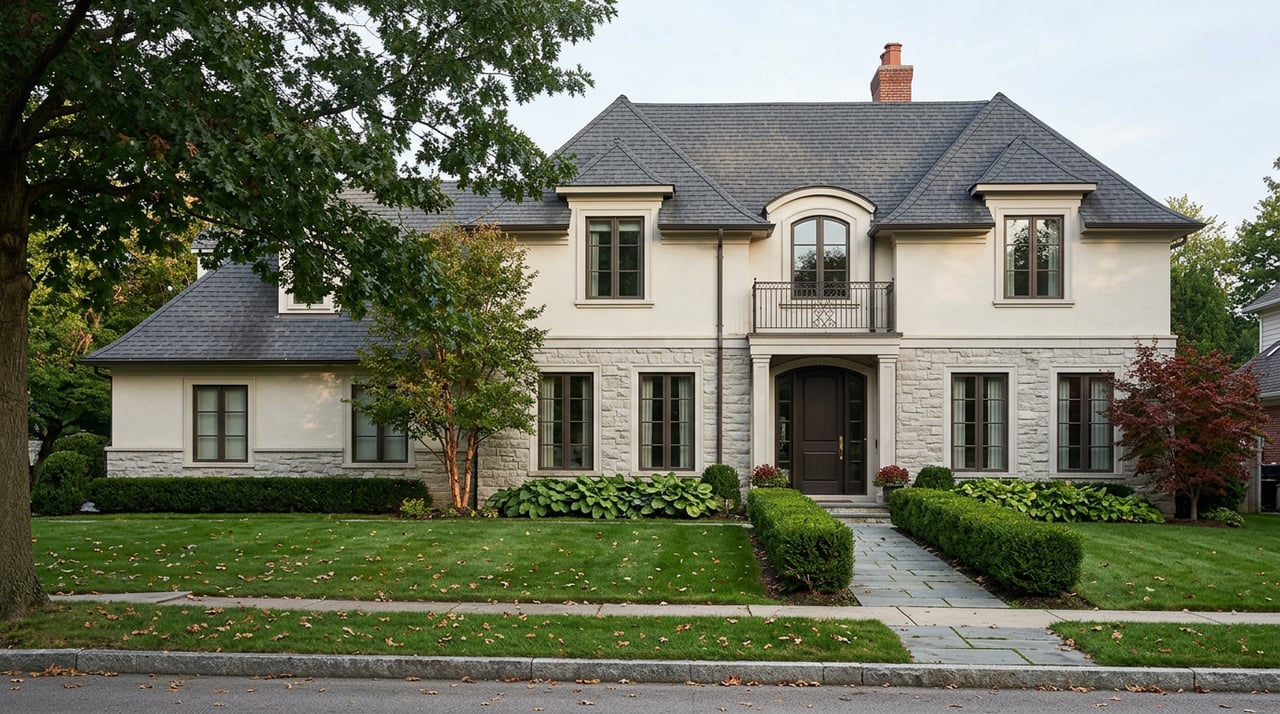
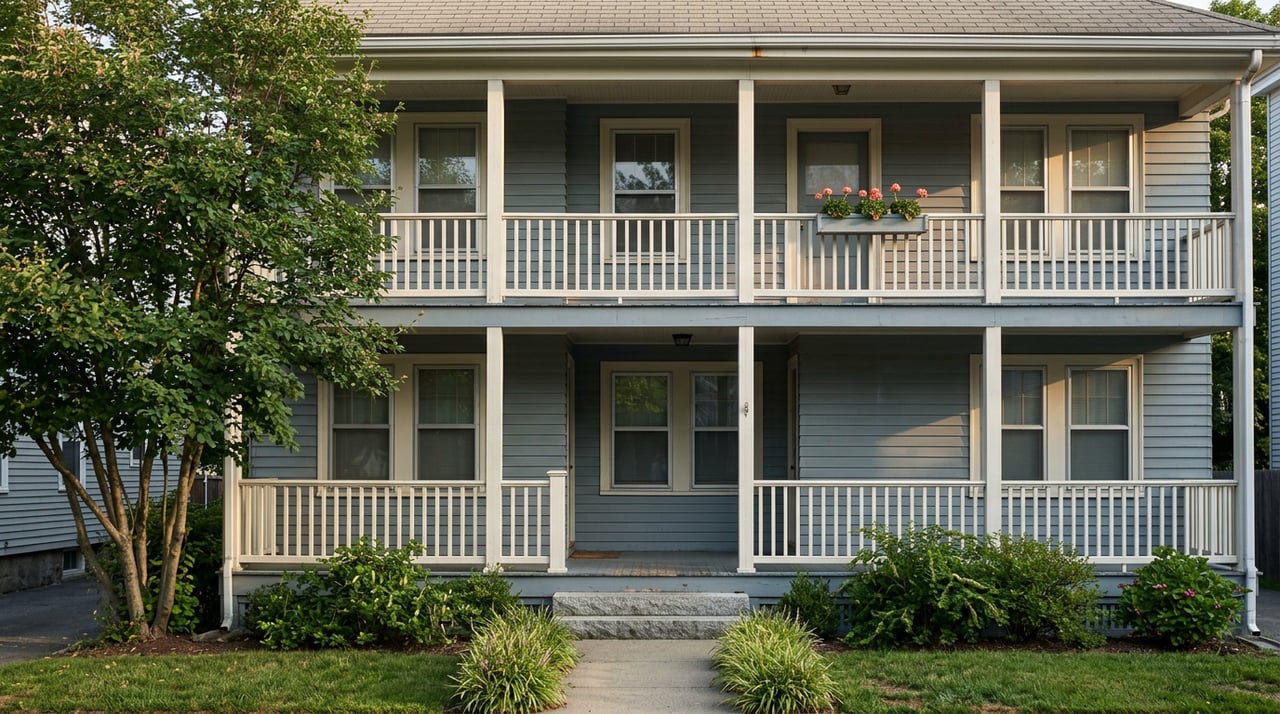
- Housing mix: Lynn has more older multi-family buildings and entry-level condos, plus coastal neighborhoods. Peabody leans suburban with more single-family homes and newer condo developments near retail corridors like Route 1.
- Transit vs driving: Lynn offers direct MBTA commuter rail access. Peabody is more car-friendly with quick access to I-95/128 and Route 1 for Route 128 jobs.
- Insurance and flood: Lynn’s coastal areas can face flood and wind risks that raise insurance costs. Peabody is mostly inland, though buyers should still check river corridor risk.
- Resale dynamics: Lynn’s coastal appeal and investor activity shape demand. Peabody’s single-family focus and suburban amenities broaden the owner-occupant buyer pool.
What drives total cost
Your total monthly ownership cost usually includes:
- Mortgage principal and interest
- Property taxes
- Homeowners insurance and, if applicable, flood insurance
- HOA or condo fees (if a condo)
- Utilities
- Routine maintenance and replacement reserves
A helpful way to think about it: fixed items like your mortgage, taxes, and HOA fees are predictable each month, while utilities and maintenance vary.
How to estimate your payment
Follow these steps to build a clear estimate before you write an offer.
Mortgage and current rates
- Choose a target price and down payment percentage.
- Check a benchmark 30-year fixed rate to estimate principal and interest. You can reference the nationwide Primary Mortgage Market Survey on Freddie Mac’s PMMS for a rate snapshot.
Property tax calculation
- Find the residential tax rate and the assessed value from the city’s assessor. The bill is Assessed Value × (Tax Rate per $1,000 ÷ 1,000).
- Convert to monthly by dividing by 12. Assessed value can differ from sale price, so confirm how the town assesses and updates values.
Insurance and flood risk
- Get a homeowners insurance quote based on property type, year built, and coverage needs.
- For Lynn’s shoreline or low-lying parcels, check for flood zone exposure. Use the FEMA Flood Map Service Center to see if a property is in a mapped flood zone. If it is, price flood insurance into your monthly budget.
HOA fees and condo reserves
- For condos, verify monthly HOA fees and what they include. Water, exterior maintenance, snow removal, and sometimes heat are common inclusions.
- Review HOA reserves and recent capital projects. Older conversions may face special assessments that affect your budget.
Utilities and maintenance
- For a single-family, budget a maintenance reserve of about 1% to 2% of purchase price per year. For example, 1% of $500,000 is $5,000 per year, about $417 per month.
- Condos may have lower direct maintenance, but HOA fees and reserve strength matter.
Closing costs and upfront cash
- In Massachusetts, buyers often see total closing costs in the 2% to 5% range of the purchase price, depending on lender, title, and prepaid items.
- Add deposits, inspection fees, appraisal, and any HOA document fees if you are buying a condo.
Two sample monthly budgets
These examples are for illustration only. Use current prices, rates, and actual tax and insurance quotes for accuracy.
Example A: Entry condo or townhouse
- Purchase price: $400,000
- Down payment: 20% ($80,000)
- Loan amount: $320,000
- Interest rate: 30-year fixed at an illustrative 6.5%
- Principal and interest: about $2,022/month
- Property taxes: about $333/month (illustrative assumption of $4,000/year)
- HOA fee: $350/month
- Homeowners insurance: about $75/month
- Maintenance reserve: about $100/month
- Estimated total: around $2,880/month
Example B: Single-family scenario
- Purchase price: $650,000
- Down payment: 20% ($130,000)
- Loan amount: $520,000
- Interest rate: 30-year fixed at an illustrative 6.5%
- Principal and interest: about $3,282/month
- Property taxes: about $583/month (illustrative assumption of $7,000/year)
- Homeowners insurance: about $120/month
- Utilities and maintenance reserve: about $450/month
- Estimated total: around $4,435/month
How city choice shifts numbers
- Lynn coastal homes: Budget for possible flood insurance and wind coverage, which can add several hundred to thousands per year depending on elevation and structure.
- Peabody single-family focus: More homes with yards and driveways can mean higher utility and maintenance variability. Taxes depend on assessed values and the town rate.
- Condo differences: Lynn’s older conversions may carry higher capital needs, while Peabody’s newer developments can have modern systems but sometimes higher HOA fees for amenities. Always review HOA documents.
Commute realities
Commuting can be a tie-breaker. Think about mode, time variability, and out-of-pocket cost.
Transit options and access
- Lynn: Direct MBTA commuter rail service on the Newburyport/Rockport Line plus local buses. Check the latest schedules, frequency, and zone fares on the MBTA official site.
- Peabody: No in-town commuter rail station. Many residents drive to nearby Salem or Beverly stations or take buses. Station parking policies and availability affect your routine.
- Seasonal ferries from nearby ports like Salem can be an option for certain months. Verify current offerings on the MBTA site.
Driving corridors and timing
- From Lynn: Routes 107, 129, and 1A connect toward Boston; I-95/128 is reachable for Route 128 jobs.
- From Peabody: Route 1 and I-95/128 are primary corridors, useful for the Route 128 tech belt and westbound trips toward Cambridge-Newton-Framingham.
- Travel times vary by time of day, school calendars, weather, and retail traffic on Route 1. For up-to-date congestion insights, review MassDOT resources and test your route during your typical commuting hours.
Cost of commuting per month
- Transit: Price out a monthly commuter rail pass or pay-per-ride costs, plus station parking where required. The MBTA site lists fare zones and monthly pass prices.
- Driving: Estimate fuel, maintenance, tolls, and destination parking. Use a per-mile cost method or a mileage rate to approximate wear and tear. Add tolls for routes like the Tobin Bridge or tunnels when applicable.
Neighborhood tradeoffs
- Walkability and last-mile: Lynn’s downtown and waterfront areas can be closer to transit stops. Many Peabody neighborhoods are more car-dependent and rely on park-and-ride.
- Housing stock: Lynn has more multi-family and condo options that may appeal to first-time buyers and investors. Peabody offers more single-family homes with yard space and driveway parking.
- Resale dynamics: Investor interest is stronger historically in Lynn’s multi-family segment. Peabody’s suburban single-family market can attract a broad pool of owner-occupants. Always validate with current local sales data.
- Schools and amenities: Consider school district information, parks, and retail access with neutral, factual sources. Focus on your own priorities and verify details directly with official resources.
A quick side-by-side checklist
Use this list to compare two properties, one in Peabody and one in Lynn, on equal footing.
- Mortgage: Lock a realistic rate from a lender and price the same down payment scenario for both homes.
- Taxes: Pull the latest assessed value and residential tax rate from each city and compute the annual and monthly bills.
- Insurance: Get homeowners and, if applicable, flood insurance quotes early in your due diligence.
- HOA: For condos, compare monthly fees, reserve balances, recent engineering reports, and any special assessments.
- Utilities and maintenance: Estimate based on property size, systems age, and a 1% to 2% annual maintenance rule for single-family homes.
- Commute: Run both transit and driving scenarios. Check the MBTA schedules and test-drive the route during peak hours.
- Parking and access: Confirm station parking, permits, and costs. Consider the time and cost of last-mile connections.
Smart buyer moves
- Check flood maps: Confirm if any Lynn property sits in a mapped flood zone using the FEMA Flood Map Service Center. If it does, get an insurance quote before your commitment deadline.
- Validate commute time ranges: Use real-time apps plus pilot runs at your expected go-time. Back-test both directions, including school-year and winter conditions.
- Review HOA health: Ask for budget, reserves, and the latest capital plan. Older buildings can carry higher future costs.
- Price out closing costs: Plan for 2% to 5% of the purchase price in Massachusetts, plus inspections and appraisal.
- Revisit the tax math: Use the assessor’s data to avoid surprises in your escrow payment.
Ready to compare homes?
You do not have to guess your way through this decision. If you want a side-by-side budget that includes mortgage scenarios, property taxes, insurance, HOA review, and commute cost, connect with Juan Concepcion. With a finance-forward approach, you will see the true monthly picture before you write an offer. Schedule a consultation.
FAQs
How do I compare property taxes between Peabody and Lynn?
- Pull each city’s residential tax rate and the property’s assessed value, then compute Tax = Assessed Value × (Rate per $1,000 ÷ 1,000), and divide by 12 for the monthly impact.
Does Lynn always require flood insurance near the water?
- Not always; use FEMA’s map to see if a specific property lies in a flood zone and get a quote, since location, elevation, and structure details drive the requirement and cost.
If I rely on transit, which city is more convenient?
- Lynn has direct MBTA commuter rail service and bus connections, while Peabody residents typically drive to nearby stations, so evaluate station access, parking, and train frequency.
What should I budget for maintenance on a single-family home?
- A simple rule is 1% to 2% of the purchase price per year, adjusted for the home’s age, systems, and any known upcoming replacements.
How do condo HOA fees differ between the two cities?
- Fees vary by building age and amenities; older conversions can face higher capital needs, while newer developments may have higher monthly fees but more predictable systems, so review each HOA’s reserves and projects.
What is the best way to estimate commute costs?
- For transit, use MBTA monthly pass prices and station parking; for driving, estimate per-mile costs plus tolls and destination parking, then compare monthly totals across both routes.