Gloucester MA Coastal Living and Housing Options
May 14, 2026
May 14, 2026
Dreaming about life by the water? Gloucester offers the kind of coastal setting many buyers picture for years, with beaches, harbor views, maritime history, and a strong sense of place. At the same time, buying here means weighing lifestyle perks against practical questions like price, seasonal traffic, parking rules, historic property upkeep, and flood risk. This guide will help you understand what coastal living in Gloucester really looks like and what kinds of housing options you may find as you explore the market. Let’s dive in.
Gloucester is America’s oldest commercial fishing port, and that identity still shapes daily life across the city. With the Atlantic on both sides, the Annisquam River, and more than 64 miles of shoreline, the setting feels tied to the water in a way few communities can match.
The city is about 27 miles northeast of Boston and connects through the Rockport MBTA commuter rail line and Routes 127, 128, and 133. That gives you access to the region while still living in a place known for its working waterfront and historic character.
One of the clearest examples of that local identity is the HarborWalk, a free 42-stop self-guided route through the waterfront, downtown, City Hall, and historic districts. If you are trying to picture everyday life in Gloucester, that mix of active harbor activity, older buildings, and walkable points of interest tells you a lot.
Gloucester’s beaches are varied, which gives you more than one version of coastal living. Good Harbor is the city’s best-known sandy beach, while Wingaersheek stretches along the Annisquam River and Ipswich Bay.
You will also find smaller or more specialized beach settings like Half Moon in Stage Fort Park, rocky Cressy’s Beach facing the harbor, resident-oriented Niles Beach, and Pavilion Beach, which is closely tied to St. Peter’s Fiesta. Depending on where you live, your beach routine may feel lively, quiet, scenic, or more neighborhood-based.
In Gloucester, beach access is managed more closely during summer than in many inland communities. Resident beach stickers allow parking at Good Harbor, Wingaersheek, and Stage Fort Park, while nonresident parking reservations are required there from Memorial Day weekend through Labor Day.
The city also notes that beaches fill quickly in summer. If you are considering a move, it helps to understand that warm-weather living here comes with a seasonal rhythm, especially around parking, traffic flow, and visitor activity.
Coastal living in Gloucester is not just about views. Official city and tourism information points to whale watches, schooner sails, kayaking, paddleboarding, harbor cruises, a seasonal water shuttle, harbormaster launch service, the Stage Fort Park trolley, and local bus service through CATA.
That means the waterfront is not only scenic. It is also active and usable, whether you enjoy being on the water, walking near it, or simply living in a place where maritime life is still visible.
Some coastal communities feel highly seasonal, but Gloucester has activity throughout the year. Its event calendar includes St. Peter’s Fiesta in June, the Gloucester Schooner Festival in late summer, plus art shows, live music, farmers markets, and holiday events.
For buyers, that matters because it points to a city with more than beach appeal alone. The community experience includes traditions, public events, and a downtown and harbor environment that stays meaningful beyond peak summer months.
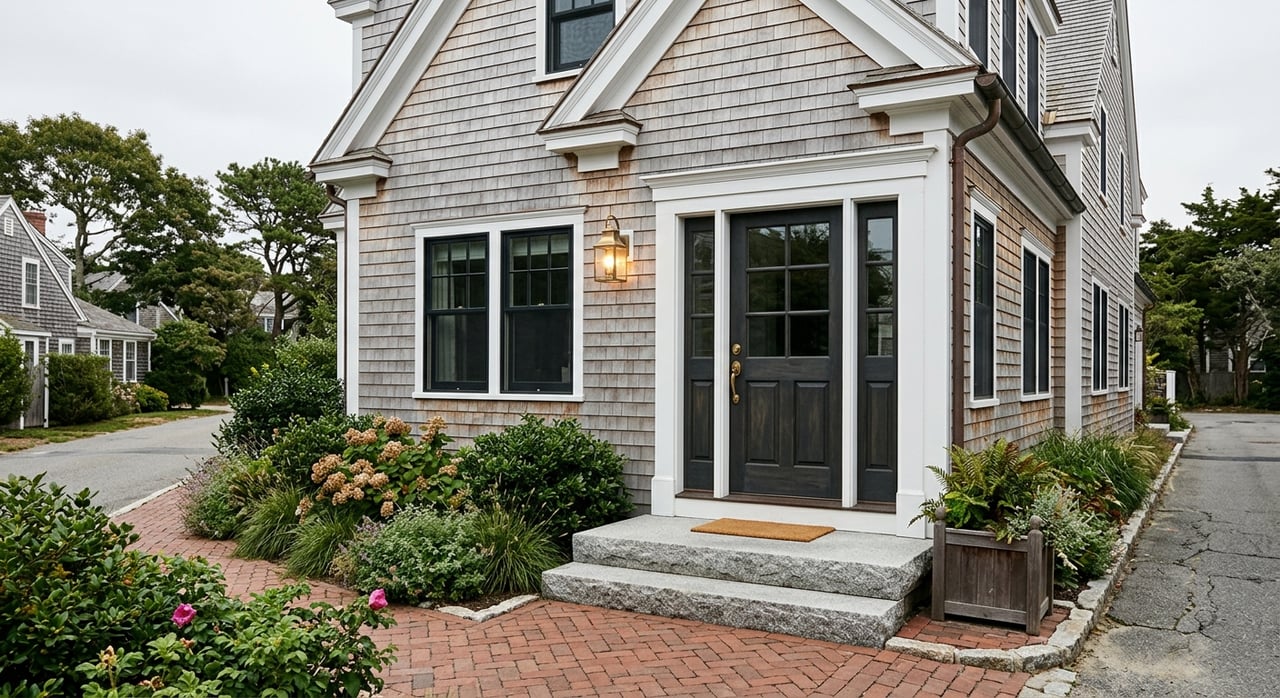
Gloucester has a strong stock of older homes, and that historic character is a major part of the city’s appeal. The city has one local historic district, three National Register districts, and 1,917 MACRIS listings, which helps explain why many properties feel architecturally layered and closely tied to local history.
If you are drawn to older homes, Gloucester may offer the charm and detail you want. Still, it is important to understand that historic character can also mean more upkeep planning and, in some areas, review of exterior changes.
The Historic District Commission reviews exterior changes in the local historic district. For a buyer, that does not automatically mean a property is difficult to own, but it does mean renovation plans may require extra review depending on location and scope.
This is especially important if you hope to update siding, windows, trim, or other exterior features. Before you buy, it is smart to understand what rules may apply to the specific property you are considering.
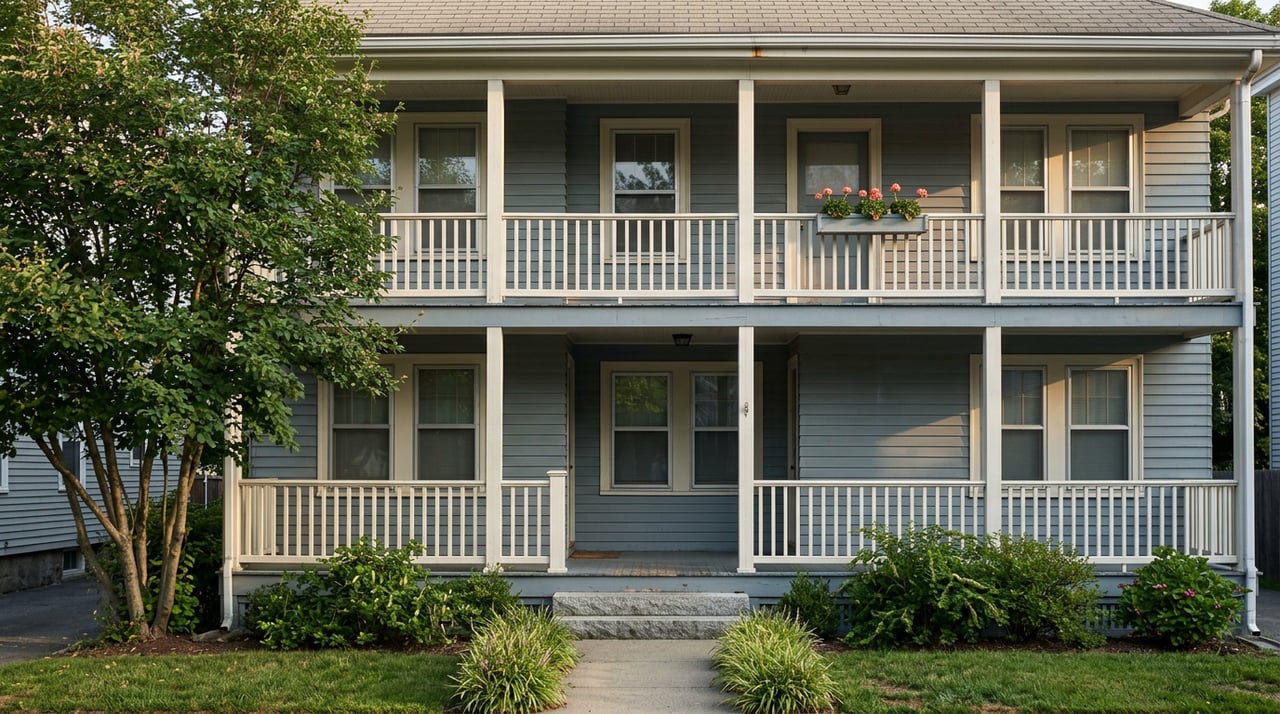
Gloucester is not a single-property-type market. Current listing snapshots show a mix that includes condos, historic conversions, beach-adjacent units, downtown options, East Gloucester homes, and multi-family properties near Stage Fort Park and the working harbor.
That variety can be helpful if you are trying to match a coastal lifestyle with a specific budget or ownership goal. Some buyers may want a lower-maintenance condo, while others may prefer a single-family home or a small multi-family property with more flexibility.
Gloucester is a relatively expensive coastal market. Zillow’s March 31, 2026 snapshot placed the city’s average home value at $760,558, while the Massachusetts Association of Realtors reported a February 2026 single-family median sales price of $790,000 and 1.4 months of inventory.
Those numbers suggest a market where demand remains meaningful and available inventory is limited. If you are planning to buy here, it helps to be financially clear on your price range and ready to compare tradeoffs between location, condition, and property type.
Neighborhood pricing also varies. Zillow’s snapshot showed median values ranging from about $650,971 in Downtown to $903,325 in Mount Hood, which highlights how setting and location can influence price within Gloucester.
Gloucester has regional access, but daily movement may not feel effortless in every scenario. Redfin describes the city as minimally walkable, with a Walk Score of 42, which suggests many residents will still rely on a car for at least part of everyday life.
That does not cancel out the appeal of commuter rail and road connections. It simply means your experience may depend a lot on where you live, where you work, and how often you plan to move between beaches, downtown, and the rest of the region.
The same waterfront and beach features that make Gloucester attractive also draw visitors. In summer, that can mean fuller beaches, tighter parking conditions, and a busier feel near popular destinations.
For some buyers, that energy is part of the appeal. For others, it may be worth looking more closely at micro-location, parking access, and how close a property sits to high-traffic seasonal areas.
Buying near the coast usually involves more property-specific questions than buying farther inland. Massachusetts notes that state law does not require flood insurance, but buyers should check flood zones and coastal erosion risk before making changes to a property.
That makes due diligence especially important in Gloucester. Standard homeowners insurance and flood insurance are not the same, so it is worth reviewing insurance needs, maintenance exposure, and any site-specific coastal considerations before you move forward.
If you are thinking seriously about Gloucester, focus on the full picture rather than just the view. A beautiful location matters, but so do long-term costs, access, and the realities of owning in a coastal setting.
Here are a few smart questions to ask as you compare properties:
For many buyers, the right choice is not the most dramatic listing. It is the property that balances lifestyle, cost, upkeep, and long-term comfort.
Gloucester may appeal to you if you want a true coastal environment with visible maritime activity, multiple beach options, and housing choices that range from historic homes to condos and multi-family properties. It may also fit if you value character and do not mind doing extra homework on issues like seasonality, maintenance, and location-based pricing.
At the same time, the city may require more planning than buyers first expect. Higher prices, limited inventory, and coastal due diligence make preparation especially important, whether you are buying your first home, downsizing, or exploring a property with income potential.
When you understand both the lifestyle and the numbers, you can make a more confident decision. If you want help thinking through affordability, property type, and the financial side of your next move, Juan Concepcion can help you evaluate your options with clarity.
Stay up to date on the latest real estate trends.


Whether you’re buying or selling, I’m here to guide you through every step of the process. With personalized service and a deep understanding of the market, I’ll ensure your real estate experience is smooth and successful.