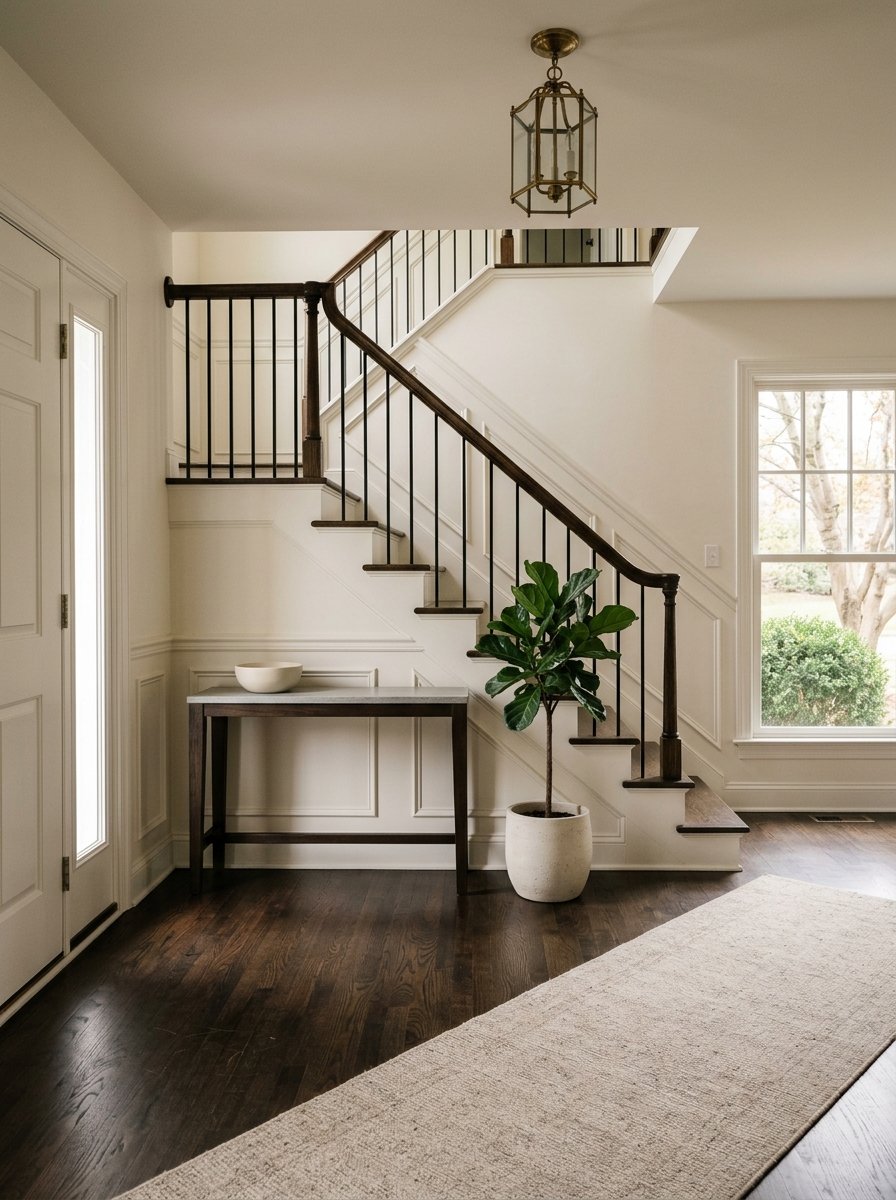
How To Prep Your Reading Home For A Strong Sale
July 2, 2026
July 2, 2026
Wondering how much you really need to do before listing your Reading home? In a market where homes can sell in about 15 days and buyers move fast, first impressions matter more than ever. The good news is that you usually do not need a full renovation to make your home more market-ready. With the right prep plan, you can focus your time and money where buyers are most likely to notice it. Let’s dive in.
Reading is a strong seller’s market, but that does not mean every home can skip the basics. May 2026 market snapshots from Realtor.com and Redfin both point to high demand, quick sales, and strong sale-to-list performance. When buyers are deciding quickly, small issues can stand out just as much as big strengths.
That is especially true in a town like Reading, where many homes are older single-family properties. Local housing data show that a large share of homes were built before 1980, with more than 31% built before 1939. In practical terms, buyers often respond well to homes that feel cared for, clean, and move-in ready.
Before you think about larger updates, focus on presentation. Research on home staging shows that the most common seller-side recommendations are decluttering, whole-home cleaning, and improving curb appeal. Those three steps often create the biggest visual impact for the least cost.
In Reading, that approach makes sense because buyers are often viewing homes online first and then deciding quickly whether to tour in person. Staging research also shows that listing photos matter heavily in the selling process. If your home looks bright, clean, and easy to understand in photos, you give yourself a better shot at strong early interest.
Decluttering helps buyers focus on the space, not your stuff. It can also make rooms feel larger, calmer, and easier to photograph. In a fast-moving market, that clarity matters.
Start with everyday surfaces and high-traffic areas. Remove excess furniture, clear counters, simplify shelves, and tidy entryways. Do not forget porches, garages, basements, and closets, since organized storage can support a stronger overall impression.
A clean home signals care and maintenance. Even if your finishes are older, a spotless space often feels more inviting than a newer one that looks neglected. Buyers tend to notice dust, grime, stained grout, and scuffed surfaces right away.
Pay extra attention to kitchens, bathrooms, floors, windows, and light fixtures. Clean around baseboards, vents, and doors too. If you have carpets, a professional cleaning can be a smart moderate-cost step before photos and showings.
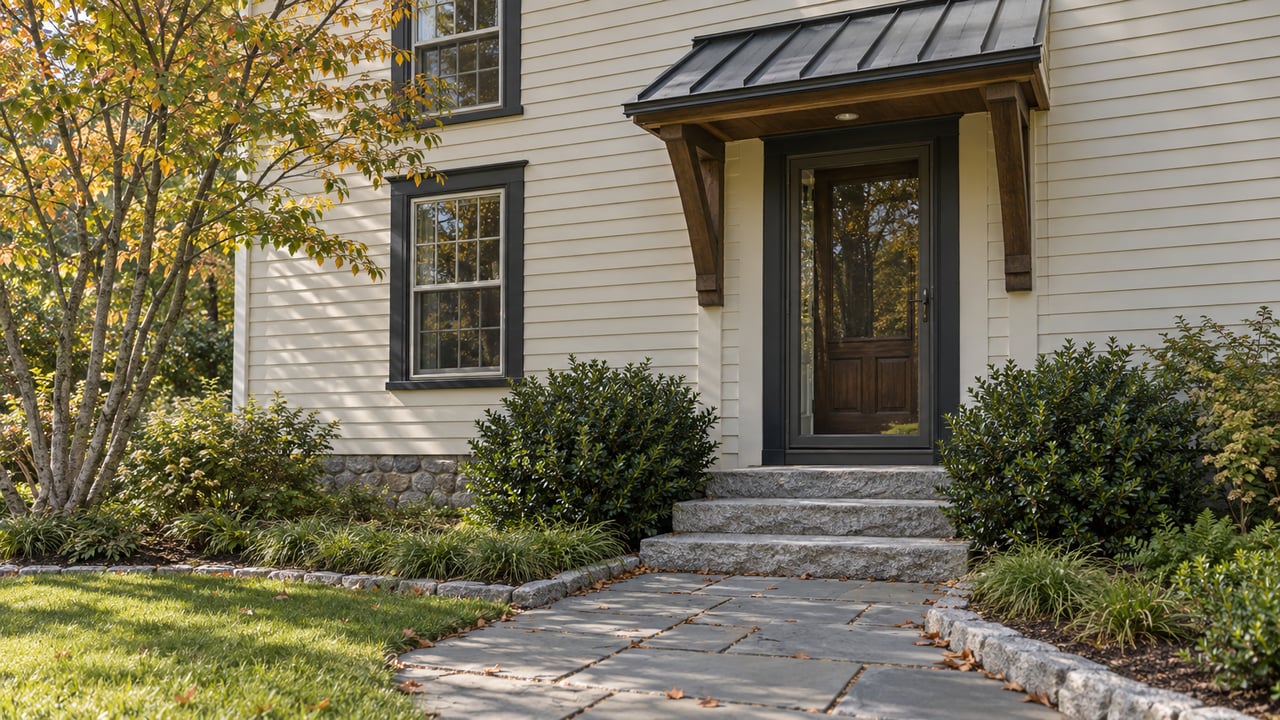
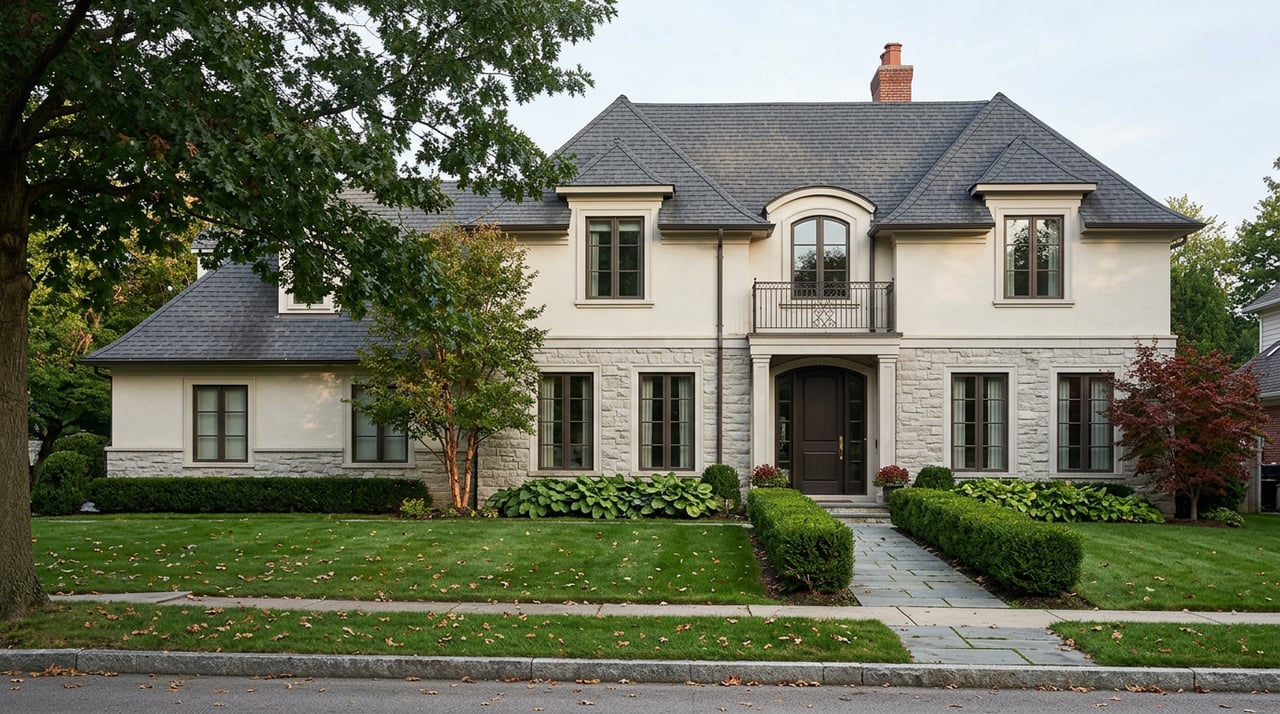
Your exterior sets the tone before buyers walk through the front door. In Reading, Redfin trend data suggest that landscape-related features and tidy outdoor presentation can support stronger buyer response. That does not mean you need a major landscaping project, but it does mean your yard should look cared for.
Mow the lawn, edge walkways, trim overgrowth, and refresh mulch if needed. Sweep porches, remove dead plants, and put away visual clutter. If you have fencing, storage areas, or visible exterior surfaces, make sure they look neat and functional.
Not every room needs the same level of attention. Staging research shows that the living room, primary bedroom, dining room, and kitchen are the most commonly staged spaces. These are the rooms where buyers tend to picture daily life.
If your budget or time is limited, start there. A few thoughtful changes in key spaces can do more for your listing than trying to update every corner of the house.
Your living room should feel open and easy to use. Remove oversized or extra furniture so the layout reads clearly in photos. Add simple touches like balanced lighting, tidy textiles, and clear pathways.
Keep the primary bedroom restful and simple. Neutral bedding, cleared nightstands, and minimal personal items can help the room feel more spacious. If the closet is part of the showing path, organize it well and avoid overstuffed storage.
These spaces do not need a full remodel to show well. Clear counters, clean appliances, and simple seating arrangements can go a long way. Buyers often respond well to bright, functional rooms that feel easy to maintain.
Because Reading homes often sell quickly, your prep budget should usually go first toward visible maintenance and cosmetic polish. Large remodels can be expensive, disruptive, and hard to justify unless there is a clear reason. In many cases, targeted improvements are the safer move.
That is also consistent with local housing stock. Since many homes are older detached properties, buyers may expect some age in the home, but they still want signs of upkeep. Clean finishes and minor repairs often matter more than dramatic redesigns.
If you want the biggest impact for the lowest spend, start here:
These steps line up with common staging recommendations and fit what buyers are likely to notice first.
If you have room for a little more investment, focus on updates that improve how the home feels in person and in photos.
Professional photos deserve special attention. Since photos are a major part of buyer decision-making, polished images can help your home stand out from the start.
Larger projects should be more selective. Consider them only if there is an obvious defect, a pre-listing inspection issue, or strong local comparable-sale evidence that the work is necessary. In a fast market, spending heavily on a speculative kitchen or bath redo may not be the best use of your budget.
If your Reading home was built before 1978, lead paint rules may apply before certain repairs or updates. The EPA notes that homes built before 1978 are more likely to contain lead-based paint, and homes built before 1940 have especially high likelihood. Since a large share of Reading homes are older, this is an important check before disturbing painted surfaces.
If you plan to do work involving paint, windows, or other dust-making repairs, use lead-safe practices and consider a lead-safe certified contractor. Massachusetts also requires Property Transfer Lead Paint Notification when a home built before 1978 is being sold.
Some exterior projects may need more than a contractor quote. In Reading’s historic district, the Historic District Commission reviews many visible exterior design changes, including items such as siding, windows, roofing, fences, and exterior HVAC equipment. Ordinary maintenance, repair, and paint color are listed as exempt.
Reading also requires a demolition permit for demolition or substantial destruction, and the town notes that trees should not be removed without Town approval. If you are thinking about larger exterior changes before listing, checking local rules early can help you avoid delays.
The best pre-sale strategy is not always the most expensive one. In Reading, where demand is strong and buyers move fast, a polished presentation can do a lot of heavy lifting. Cleanliness, maintenance, curb appeal, key-room staging, and strong photography often offer the clearest path to a better launch.
If you want guidance, it helps to work with an agent who can weigh local market pace against your budget and timeline. That way, you can avoid over-improving, focus on the updates buyers are most likely to notice, and go to market with more confidence.
When you are ready to map out the right prep strategy for your home, connect with Juan Concepcion for practical guidance tailored to your goals.
Stay up to date on the latest real estate trends.


Whether you’re buying or selling, I’m here to guide you through every step of the process. With personalized service and a deep understanding of the market, I’ll ensure your real estate experience is smooth and successful.